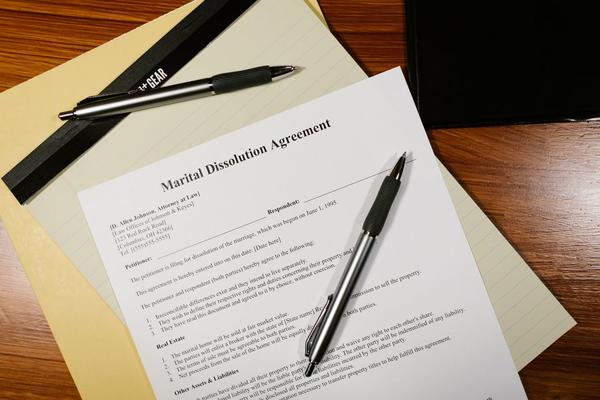
Talking about a prenuptial agreement can feel like an odd thing to do while you’re still picking out wedding invitations. It’s not exactly romantic. But more couples in 2026 are treating prenups the same way they treat life insurance or a will: not a sign of doubt, but a practical part of building a life together. This is pre-marriage planning, not divorce planning, and that distinction matters.
If you’re wondering whether you actually need one, or what it would even cover, you’re not alone. Here’s a clear look at what prenuptial agreements do, what they typically cost, and how to make sure yours actually holds up if you ever need it.
What Is a Prenuptial Agreement, Exactly?
A prenuptial agreement, or prenup, is a legal contract signed before marriage that outlines how assets, debts, and certain financial matters will be handled during the marriage and in the event of divorce or death. It’s essentially a financial roadmap, agreed upon while both people are calm, clear-headed, and not in the middle of a dispute.
The goal isn’t to plan for failure. It’s to remove uncertainty. Instead of leaving major financial decisions to a courtroom later, a prenup lets couples define those terms themselves, in advance, on their own terms.
Who Actually Needs One?
There’s a common myth that prenups are only for the wealthy. In reality, they’re increasingly common among people entering marriage with student debt, a small business, retirement savings, an inheritance, or even just a strong desire for financial transparency. If you own property, have children from a previous relationship, or want clarity around marital assets protection, a prenup is worth serious consideration regardless of your net worth.
What Does a Prenuptial Agreement Typically Cover?
Prenuptial agreement clauses can be tailored to fit almost any situation, but most agreements address a similar core set of issues.
Common Clauses Include:
Division of assets acquired before the marriage, including property, investments, and savings. How debts, such as student loans or business liabilities, will be handled. Protection of family inheritances or heirlooms. Ownership and division of a business owned by one or both spouses. Spousal support terms in the event of divorce. How jointly acquired property during the marriage will be divided.
Some couples also include clauses about financial responsibilities during the marriage, such as how bills are split or how savings goals will be managed, though these provisions vary widely depending on the couple’s priorities.
What a Prenup Cannot Decide
It’s worth knowing the limits too. Prenups generally can’t determine child custody or child support in advance, since courts require these decisions to reflect the child’s best interests at the time they’re made, not years earlier. Any clause attempting to predetermine custody is typically unenforceable.
How Much Does a Prenup Actually Cost?
Prenup cost varies significantly depending on complexity and location, but most couples can expect a reasonable range rather than a flat number. A straightforward agreement between two people with modest, easily defined assets might cost a few hundred to around a thousand dollars per person, since each party typically needs separate legal representation.
More complex situations, such as business ownership, multiple properties, or significant premarital wealth, can push costs higher, sometimes well into several thousand dollars, especially if negotiations take multiple rounds.
What Affects the Price?
The complexity of your financial situation plays the biggest role. Someone with a single bank account and no property will pay far less than someone who owns a business and multiple investment accounts. Location also matters, since attorney rates vary by region. How much negotiation is required between both parties can add time and cost as well. Whether both spouses hire separate attorneys, which is generally recommended and sometimes required for enforceability, factors in too.
While it might feel like an unnecessary expense before a wedding that already has its own budget, most people find the cost worthwhile compared to the far higher expense of contested divorce litigation down the line.
How to Make Sure Your Prenup Is Enforceable
An enforceable prenup isn’t just about having a signed document. Courts scrutinize these agreements, and a poorly constructed one can be thrown out entirely when it matters most.
Key Requirements for Enforceability
Both parties need full and honest financial disclosure. Hiding assets or debts can invalidate the entire agreement later. Each person should have their own attorney, since one lawyer representing both spouses raises red flags in court. The agreement needs to be signed well before the wedding, not rushed through days beforehand under pressure. Terms must be fair and reasonable at the time of signing, not wildly one-sided in a way that suggests coercion. The agreement must be in writing and properly executed according to your state’s specific requirements.
Timing Really Does Matter
One of the most common reasons prenups get challenged is timing. If one partner is presented with the agreement just days before the wedding, a court may later view that as pressure or duress, even if nothing intentional was meant by it. Most family law attorneys recommend starting the conversation at least a few months in advance, giving both people time to review, negotiate, and consult their own legal counsel without feeling rushed.
Having the Conversation Without the Awkwardness
Bringing up a prenup doesn’t have to feel like a confrontation. Framing it as a shared planning tool, something that protects both people and creates transparency, tends to go over much better than framing it as a one-sided protective measure. Many couples find that the process actually strengthens communication going into marriage, since it forces open conversations about money that some couples otherwise avoid for years.
Frequently Asked Questions
Do both people need separate lawyers for a prenup?
While it’s not always legally required, having separate attorneys is strongly recommended and, in some states, necessary for the agreement to be considered enforceable. It helps ensure both parties fully understand the terms and weren’t pressured into signing.
Can a prenup be changed after marriage?
Yes, through a postnuptial agreement, which functions similarly but is created after the wedding. Couples sometimes use these to update terms as circumstances change, such as after a career shift, inheritance, or the birth of a child.
Will a prenup protect my business if I get divorced?
A well-drafted prenup can specify that a business remains separate property, protecting it from division in a divorce. This is one of the most common reasons business owners pursue a prenup before marriage.
Is a prenup only necessary for wealthy couples?
No. Prenups are increasingly common for people with student debt, modest savings, small businesses, or children from previous relationships. Anyone who wants financial clarity going into a marriage can benefit from one, regardless of net worth.
Final Thoughts
A prenuptial agreement isn’t a prediction that your marriage will fail. It’s a practical, forward-looking tool that gives both partners clarity, protection, and peace of mind before they say “I do.” Whether your finances are simple or complex, having an honest conversation about a prenup early on, and working with qualified legal counsel to make it enforceable, can save both time and heartache if life takes an unexpected turn later.