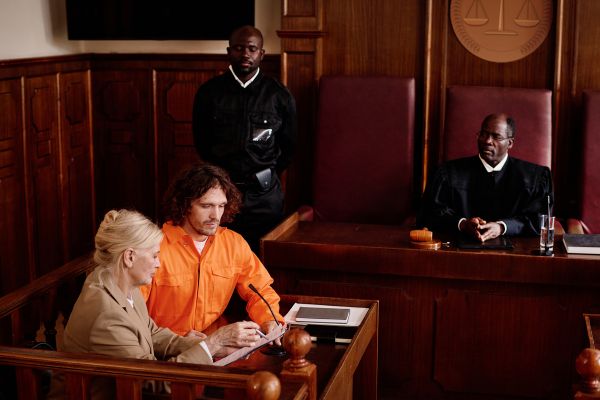
Facing a criminal charge is one of those moments when life suddenly feels more serious. The language becomes formal, the paperwork looks intimidating, and every decision seems to carry weight. One of the first questions many people ask is whether they should rely on a public defender or hire a private attorney. It is a fair question, and not always an easy one.
The debate around public defender vs private attorney is often oversimplified. Some people assume private attorneys are always better because they cost money. Others believe public defenders are automatically less committed because they are appointed by the court. Real life is more complicated than that. Both can be skilled. Both can be overworked. Both can make a meaningful difference depending on the case, the person, the local court system, and the resources available.
Understanding the Role of a Public Defender
A public defender is a licensed attorney appointed to represent people who cannot afford to hire a lawyer in a criminal case. This right is rooted in the basic idea that a person should not face the power of the legal system alone simply because they lack money.
Public defenders handle a wide range of cases, from lower-level offenses to serious felony charges. They appear in court regularly, speak with prosecutors often, and usually know the local judges, courtroom habits, and plea negotiation patterns. That kind of familiarity can be valuable. In many places, public defenders spend nearly every working day inside the criminal court system.
Still, their workload can be heavy. Some public defenders manage many cases at once, which may limit the time they can spend on each client. That does not mean they are careless. It means the system often asks them to do a difficult job under pressure.
What a Private Attorney Brings to a Case
A private attorney is hired directly by the person facing charges or by someone acting on their behalf. Because the client pays for the service, there is often more control over whom to choose. A person can look for an attorney with experience in a specific type of case, such as DUI, assault, theft, drug charges, white-collar crime, or domestic violence allegations.
Private attorneys may have more time to meet with clients, review evidence, investigate details, and build a defense strategy. They may also have access to outside investigators, expert witnesses, or support staff, depending on the firm and the fee arrangement.
That said, hiring a private attorney does not automatically guarantee a better result. Legal outcomes depend on evidence, facts, procedure, negotiation, courtroom skill, and sometimes local practice. A high fee does not always equal high quality. The choice should be based on experience, communication, honesty, and fit, not just price.
The Cost Difference Is Often the First Concern
Cost is usually the most obvious difference between a public defender and a private attorney. Public defenders are appointed for people who meet financial eligibility rules. In some courts, there may still be administrative fees or reimbursement requirements, but the representation itself is generally intended for those who cannot afford private counsel.
Private attorneys, on the other hand, can be expensive. Some charge flat fees for certain cases. Others charge hourly. More complex criminal cases may require larger retainers because they involve investigation, motions, hearings, trial preparation, and repeated court appearances.
For someone already dealing with bail, missed work, family stress, or other financial problems, attorney fees can feel overwhelming. This is why the public defender system exists. The right to legal representation should not belong only to people with money.
Experience Inside the Courtroom
One of the strongest advantages public defenders often have is courtroom experience. Because they handle criminal cases daily, they may understand how a particular court functions in practical terms. They may know which arguments tend to matter, how prosecutors evaluate cases, and what local judges expect during hearings.
Private attorneys can also have strong courtroom experience, especially if they focus on criminal defense. Some may be former prosecutors or former public defenders themselves. Others may have trial backgrounds that are highly relevant to serious cases.
The important point is not whether the attorney is public or private. The better question is whether the lawyer has meaningful experience with the type of charge involved. A calm, experienced lawyer who knows the courtroom can often guide a client more effectively than someone who looks impressive but rarely handles similar cases.
Time, Attention, and Communication
Communication is one of the areas where people often feel the difference most clearly. A private attorney may be easier to reach, especially if they manage a smaller caseload. Clients may receive longer meetings, more frequent updates, and more detailed explanations of possible strategies.
Public defenders, because of heavy caseloads, may not always be able to respond as quickly as clients would like. This can be frustrating, especially when the case feels urgent and personal. The client may feel forgotten, even when the attorney is actively working on the matter behind the scenes.
Good communication matters because criminal cases are stressful. People want to understand what is happening, what choices they have, and what risks they face. Whether the lawyer is appointed or hired, the client should feel that basic questions are being answered clearly.
Investigations and Case Preparation
Criminal defense is not only about what happens in court. Much of the work happens before a hearing or trial. Lawyers review police reports, body camera footage, witness statements, lab results, surveillance video, phone records, and other evidence. They may identify weak points in the prosecution’s case or file motions to challenge certain evidence.
A private attorney may have more flexibility to spend time on investigation, especially if the case fee supports that work. They may hire private investigators or expert witnesses when needed. This can matter in cases where facts are disputed or technical evidence is involved.
Public defender offices may also have investigators and support resources, though availability varies widely. Some offices are well-supported and highly professional. Others are stretched thin. The quality of representation can depend heavily on the strength of the local public defense system.
The Human Side of Trust
The public defender vs private attorney decision is not only practical. It is also emotional. A person facing charges may feel scared, embarrassed, angry, or confused. Trust becomes important quickly.
Some clients trust a private attorney more because they personally chose and paid for that lawyer. Others build strong trust with a public defender who speaks honestly, knows the law, and treats them with respect. Trust does not come from a title. It comes from how the attorney listens, explains, prepares, and shows up.
A lawyer should not promise a perfect result. In fact, guarantees can be a warning sign. A trustworthy attorney will usually speak in realistic terms. They may explain strengths and weaknesses, possible outcomes, and the risks of going to trial or accepting a plea.
When a Public Defender May Be the Right Choice
A public defender may be the right choice when a person cannot afford private representation and qualifies for appointed counsel. In many cases, this is not a second-rate option. Public defenders often understand criminal law deeply because they practice it every day.
They may be especially helpful in courts where they have strong local knowledge and established professional relationships. They know the rhythm of the system. They understand common plea offers, diversion programs, sentencing patterns, and procedural steps.
The main challenge is availability. A client may need to be patient and organized. Bringing documents, writing down questions, and staying respectful but persistent can help make communication more productive.
When Hiring a Private Attorney May Make Sense
Hiring a private attorney may make sense when someone can afford it and wants more choice, more direct access, or a lawyer with a particular background. This may be especially important in serious cases, complex cases, or situations involving professional licenses, immigration consequences, child custody concerns, or public reputation.
A private attorney may also be helpful when the case requires detailed investigation or significant time outside court. However, the person hiring the lawyer should ask careful questions before signing an agreement. Experience, fees, communication expectations, and possible additional costs should be clear from the beginning.
Choosing a private attorney should not be rushed simply out of fear. A thoughtful decision is usually better than an expensive panic decision.
Looking Beyond the Label
It is tempting to reduce the question to a simple ranking: private attorney good, public defender bad, or the reverse. But that misses the reality of criminal defense. There are excellent public defenders and weak private attorneys. There are excellent private attorneys and overwhelmed public defense systems. The label alone does not tell the whole story.
The more useful approach is to look at the actual lawyer, the case needs, the available resources, and the level of communication. Does the attorney understand the charge? Do they explain options clearly? Are they honest about risk? Do they appear prepared? These questions matter more than assumptions.
A Clearer Way to Think About the Choice
The public defender vs private attorney question is really about access, trust, resources, and fit. A public defender protects the crucial right to counsel for people who cannot afford legal help. A private attorney offers choice and, in some cases, more time and specialized attention. Neither path is automatically perfect. Neither should be dismissed without thought.
When criminal charges are involved, the goal is not to find the most expensive lawyer or the most convenient answer. The goal is to have competent, serious, and honest representation. A person facing the legal system needs someone who can explain the road ahead, challenge weak evidence, protect their rights, and help them make informed decisions.
In the end, the best choice depends on the facts of the case and the reality of the person’s situation. What matters most is not the title on the attorney’s door. It is whether that attorney is prepared to stand beside the client when the process becomes difficult.